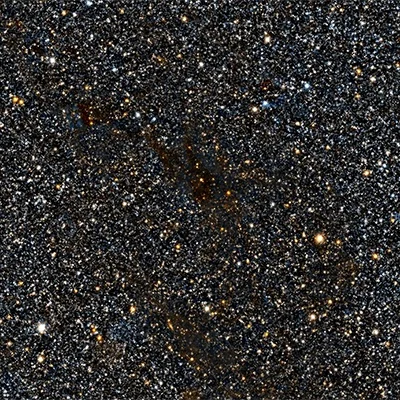
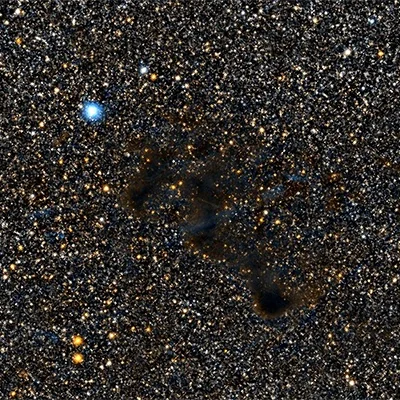
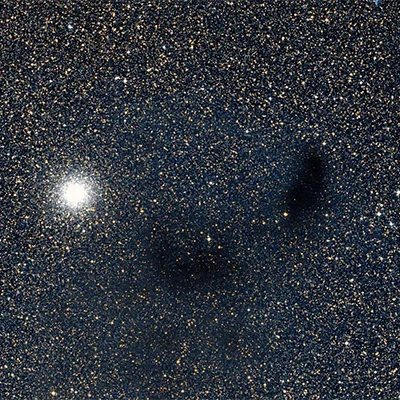
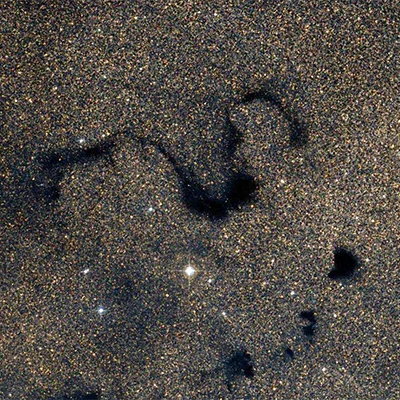
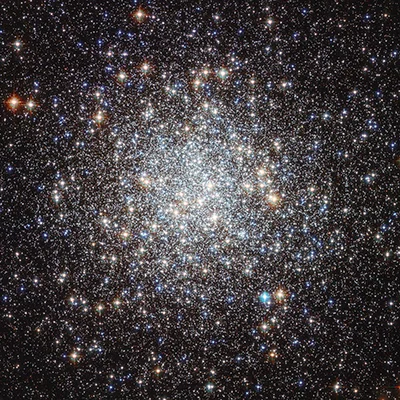
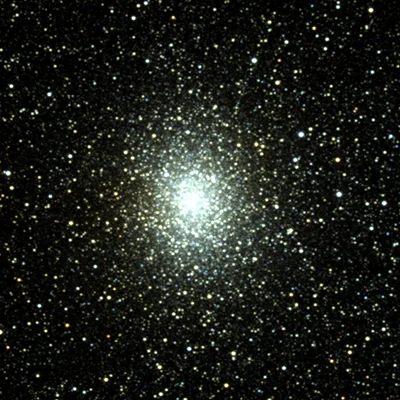
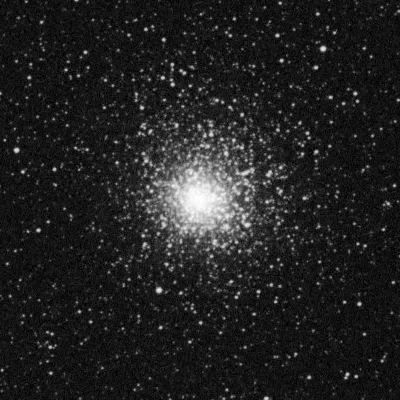
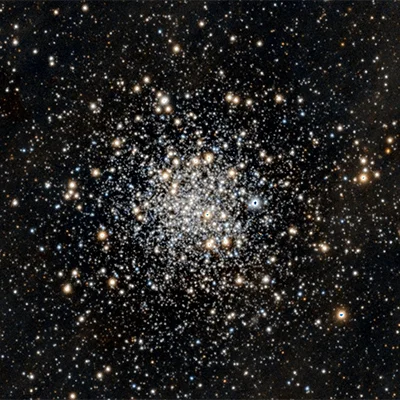
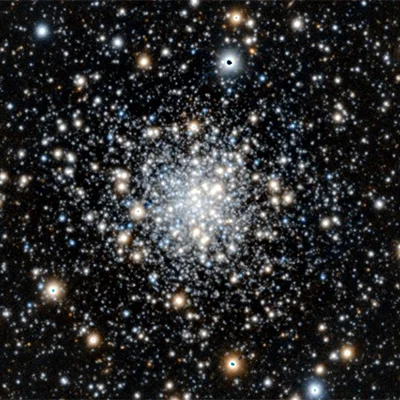
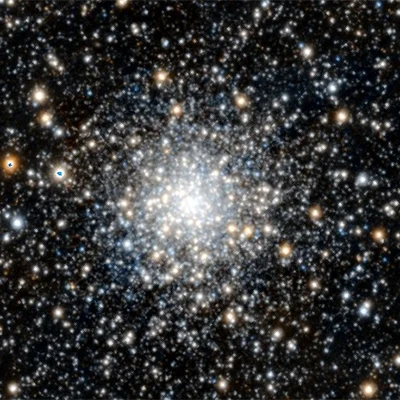
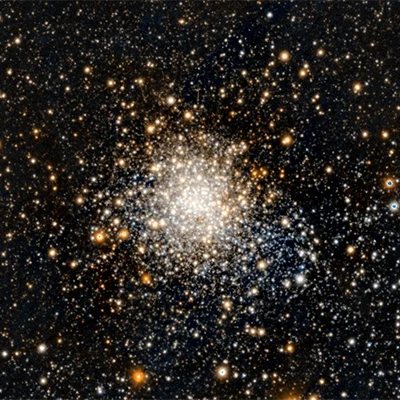
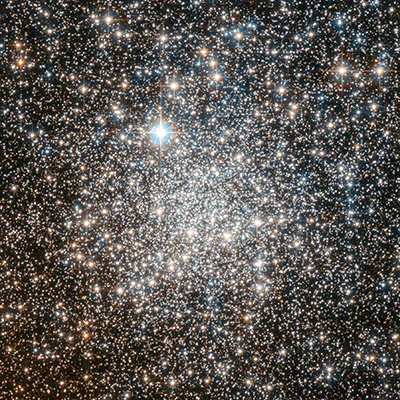
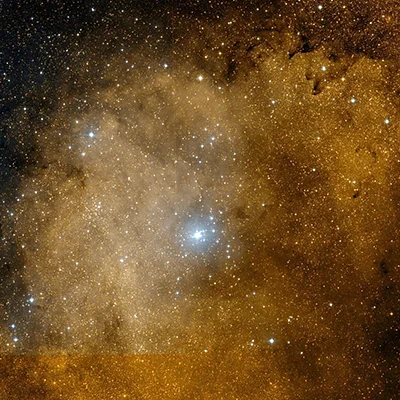
Globular Cluster NGC 6293 & Dark Cloud Barnard 59
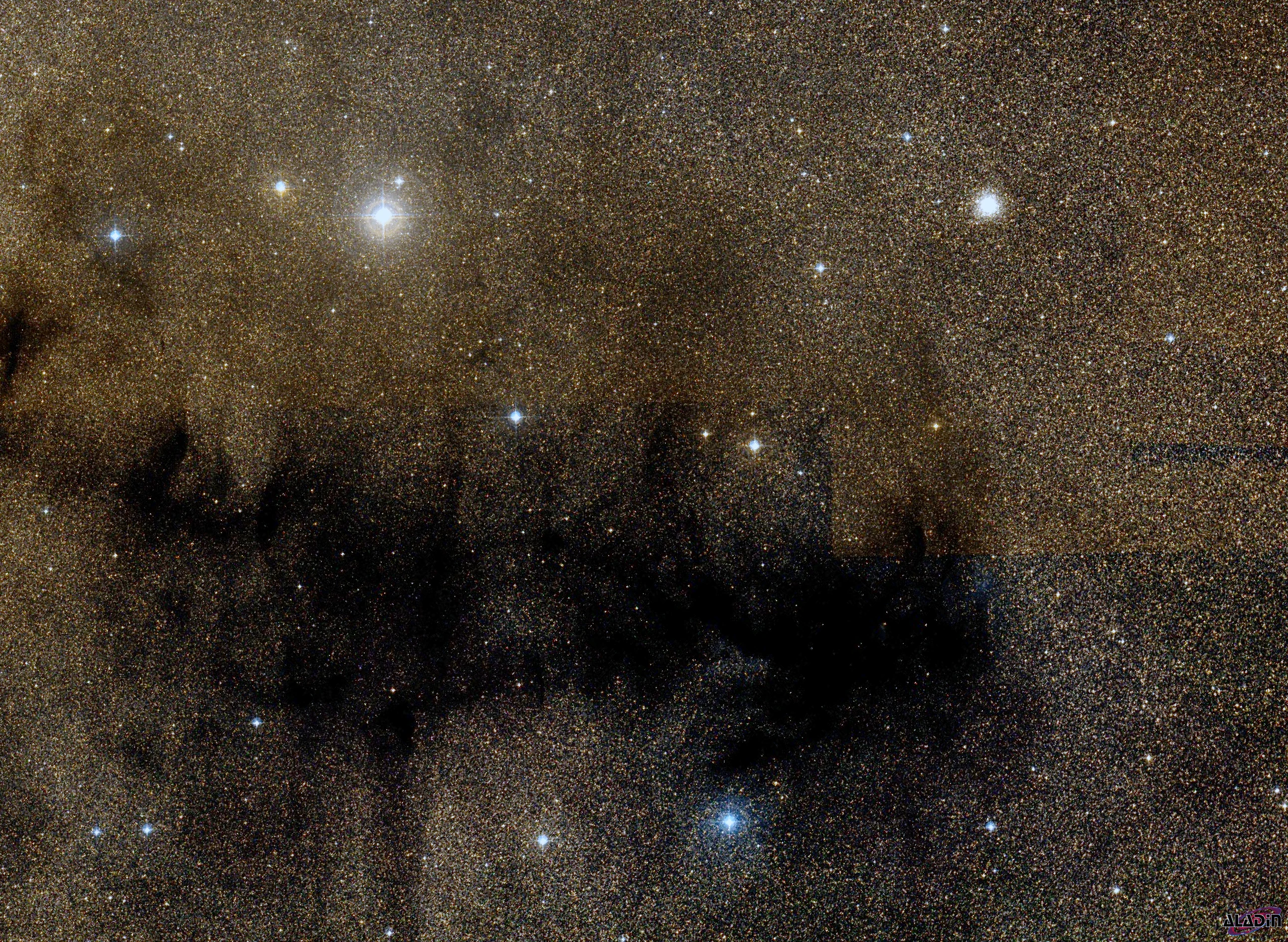
NGC 6293 + Barnard 59
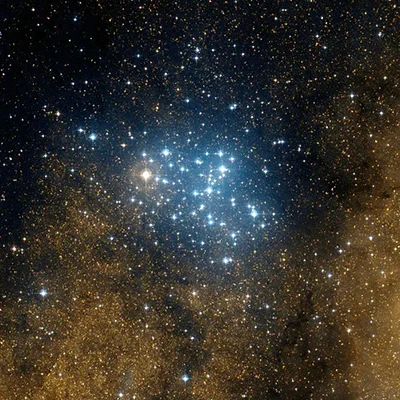
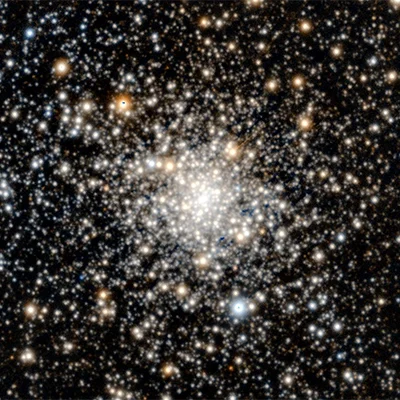
NGC 6293 + Barnard 59: Section of the STScI/NASA Digitized Sky Survey 2 (DSS2). Here could be your picture. [147]

NGC 6293

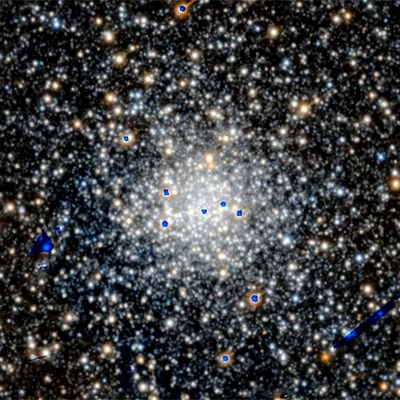
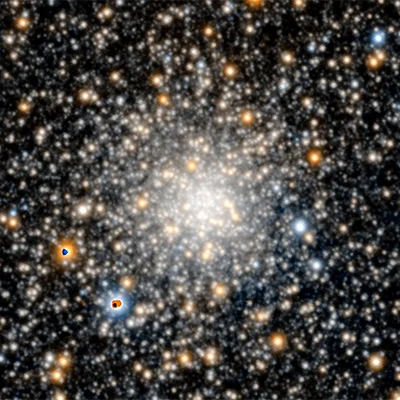
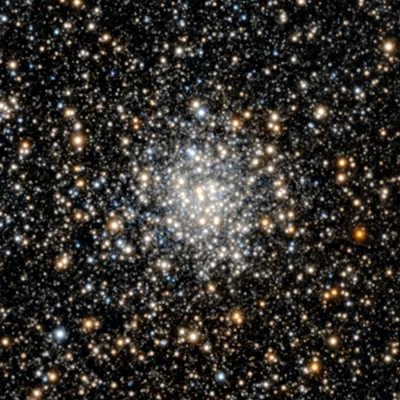
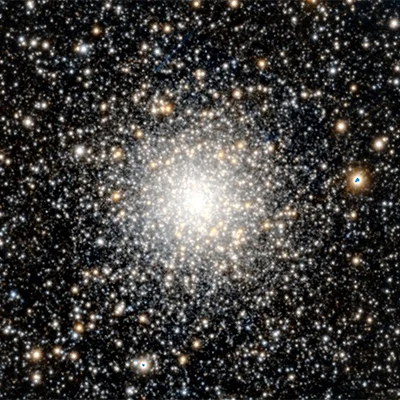
This globular cluster was discovered by William Herschel on 24 May 1784 and cataloged as VI-12. He noted the following: «Another miniature cluster like thee preceding [M 19], but rather coarser.» [463] John Herschel first observed it at home in Slough during sweep 148 on 16 April 1828 and listed it as h 1977 with the note: «Very bright, round, preddy suddenly brighter in the middle; 90"; resolved; the stars are 19 or 20 m. This then is entitled to the name of a globular cluster.» [466] Later during his observation in 1834-1838 from South Africa he observed the same cluster twice and listed it as h 3667. [11]

Revised+Historic NGC/IC Version 22/9, © 2022 Dr. Wolfgang Steinicke [277]
DesignationNGC 6293
TypeGCL (IV)
Right Ascension (J2000.0)17h 10m 10.4s
Declination (J2000.0)-26° 34' 52"
Diameter8.2 arcmin
Visual magnitude8.3 mag
Metric Distance9.500 kpc
Dreyer Descriptionglobular, vB, L, R, psbM, rrr, st 16
Identification, RemarksWH VI 12; h 1977=3667; GC 4270; GCL 55; ESO 519-SC5

Barnard 59

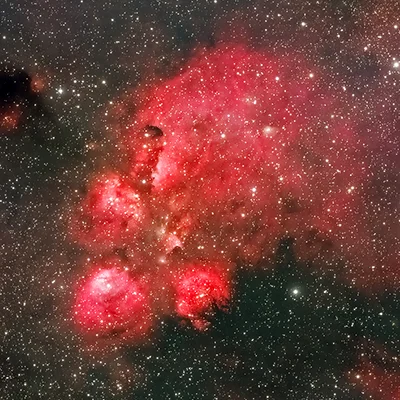
In 1919 Edward. E. Barnard found on photographs he made an irregular dark cloud near cluster NGC 6293 and listed it as B 59 in his «On the Dark Markings of the Sky». [239]

Data from Simbad [145]
NameBarnard 59
Object TypeDark Cloud (nebula)
Right Ascension (J2000.0)17h 11m 18s
Declination (J2000.0)-27° 22' 00"
Angular size50' × 50'
IdentifiersBarnard 59; LDN 1746; TGU H25 P5; [DB2002b] G357.08+7.19

Finder Chart

The globular cluster NGC 6293 with the dark clouds Barnard 59 is located in the constellation Ophiuchus. They are on 9 June in opposition to the Sun. From your location it can best be seen in the months February to November.
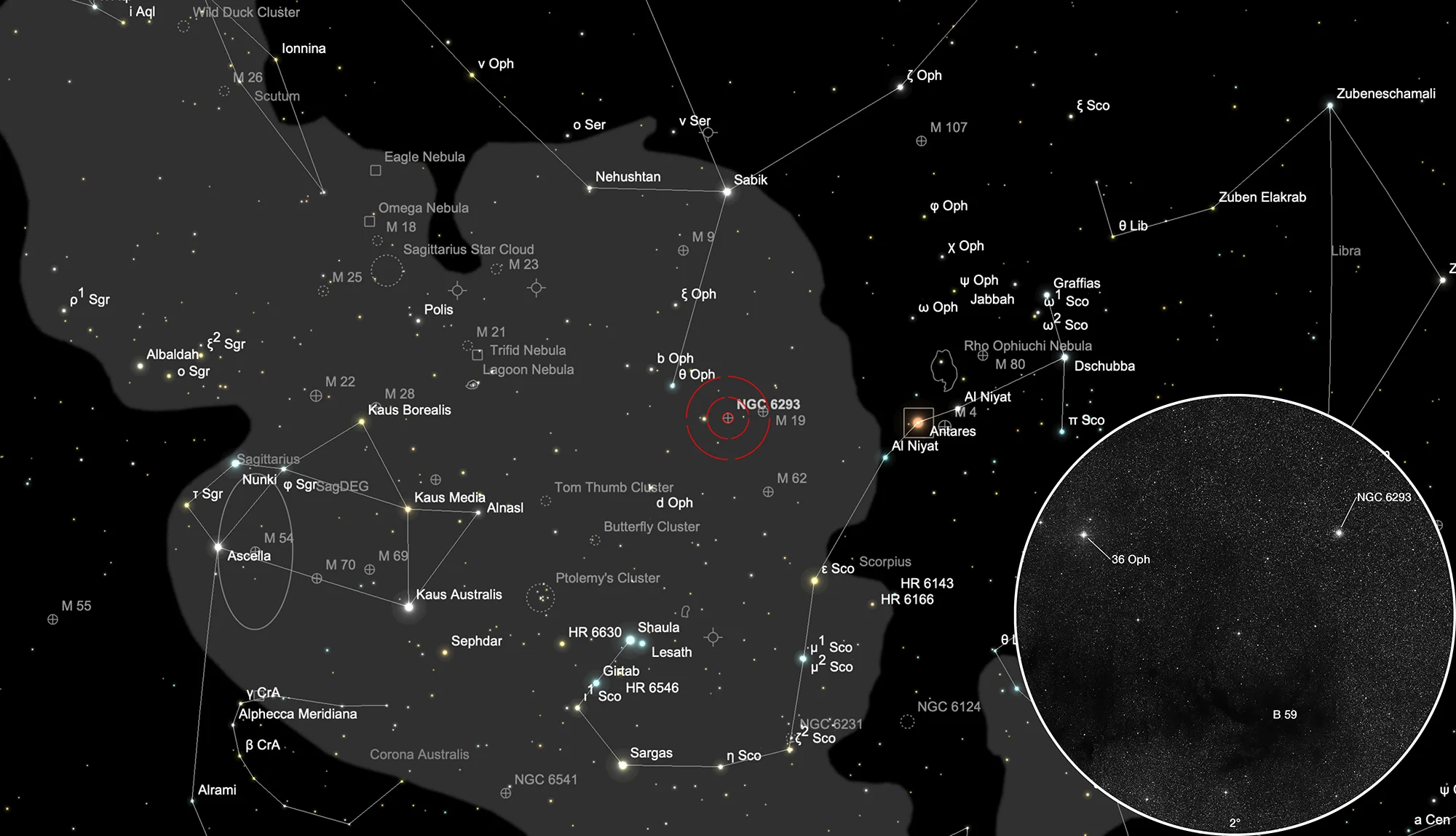
Ophiuchus: Globular Cluster NGC 6293 & Dark Cloud Barnard 59
Finder Chart Globular Cluster NGC 6293 & Dark Cloud Barnard 59
15:52
21:31 | 63.4°
03:09
Charts created using SkySafari 6 Pro and STScI Digitized Sky Survey. Limiting magnitudes: Constellation chart ~6.5 mag, DSS2 close-ups ~20 mag. Times are shown for timezone UTC, Latitude 0°, Longitude 0°, Horizon height 5°, Date 2026-07-18 [149, 160]

Objects Within a Radius of 10°

References

  • [11] Results of astronomical observations made during the years 1834, 5, 6, 7, 8, at the Cape of Good Hope ... : being the completion of a telescopic survey of the whole surface of the visible heavens, commenced in 1825; Herschel, John F. W.; London: published by Smith, Elder and Co., 1847; DOI:10.3931/e-rara-22242
  • [145] SIMBAD astronomical database; simbad.u-strasbg.fr/simbad
  • [147] Aladin Sky Atlas, Centre de Données astronomiques de Strasbourg (CDS); aladin.unistra.fr
  • [149] SkySafari 6 Pro, Simulation Curriculum; skysafariastronomy.com
  • [160] The STScI Digitized Sky Survey; archive.stsci.edu/cgi-bin/dss_form
  • [239] On the dark markings of the sky, with a catalogue of 182 such objects; Barnard, E. E.; Astrophysical Journal, 49, 1-24 (1919); DOI:10.1086/142439; Bibcode:1919ApJ....49....1B
  • [277] Historische Deep-Sky Kataloge; Dr. Wolfgang Steinicke; klima-luft.de/steinicke; 2021-02-17
  • [463] Catalogue of one thousand new nebulae and clusters of stars; William Herschel; Philosophical Transactions of the Royal Society of London, 1 January 1786; DOI:10.1098/rstl.1786.0027
  • [466] Observations of nebulæ and clusters of stars, made at Slough, with a twenty-feet reflector, between the years 1825 and 1833; John Frederick William Herschel; Philosophical Transactions of the Royal Society of London, 1 January 1833, Pages: 359-505; DOI:10.1098/rstl.1833.0021